October 20, 2026
Basement Waterproofing Before Renovation: Why Timing Matters
By @juliuswcce586
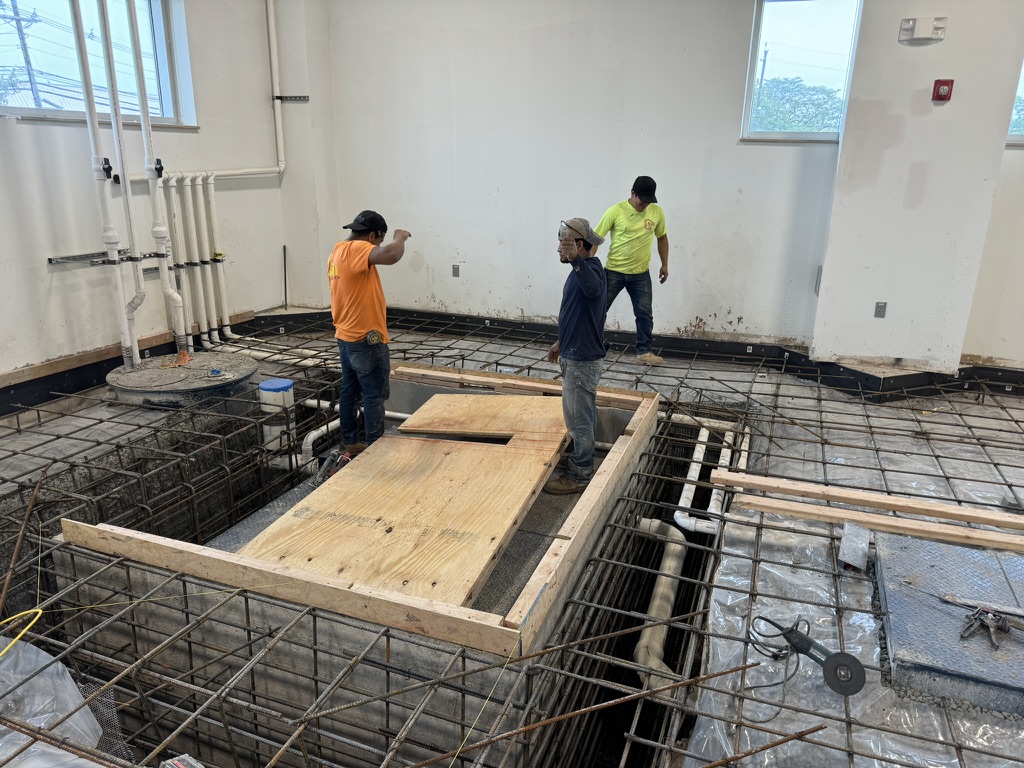

A basement renovation can transform wasted square footage into the most useful part of a home. It can become a family room, guest suite, home office, gym, workshop, or rental unit. The temptation is to start with the visible upgrades, framing, drywall, flooring, lighting, and paint, because those are the changes that feel exciting and measurable. Yet the smartest renovation decisions usually happen before any of that starts, and one of the biggest is Basement Waterproofing.
This is not a cosmetic decision. It is a sequencing decision, and sequencing affects everything that follows. When waterproofing is handled first, the rest of the project has a chance to perform the way it was designed to. When it is ignored or delayed, the renovation can lock moisture problems behind finished walls, under flooring, and above ceilings where they become more expensive, more disruptive, and harder to diagnose.
Homeowners often ask whether waterproofing is really necessary if the basement only gets “a little damp” once or twice a year, or if there has never been standing water. That question usually comes up when budgets are tight and the renovation estimate is already stretching further than expected. From experience, that is exactly when timing matters most. A dry basement is not just one that avoids floods. It is one that controls liquid water, water vapor, humidity swings, condensation, and the subtle migration of moisture through concrete and masonry over time.
Renovation changes the moisture equation
An unfinished basement can hide problems surprisingly well. Concrete floors tolerate dampness. Exposed foundation walls dry in both directions. A musty smell may be unpleasant, but it does not necessarily destroy anything important. Once the space is renovated, that tolerance disappears.
Add insulation, framing, drywall, trim, engineered wood, carpet, or vinyl plank over an underlayment, and the basement becomes less forgiving. Materials that look stable on delivery can react quickly once trapped near a cool foundation wall or slab. The result may not be dramatic right away. Often it starts with a faint odor, swollen baseboards, a soft spot in flooring, a rust stain at the bottom of steel framing, or a patch of peeling paint near a corner. By the time these signs appear, moisture has usually been active for a while.
Renovation also changes airflow. A space that was once open and drafty becomes compartmentalized. Mechanical systems may add warm air, but that does not automatically solve moisture. In some cases, heating a basement without properly managing water makes the space feel drier while quietly accelerating vapor movement into wall assemblies. That is one reason people are surprised when a basement looks immaculate after renovation for six months, then develops mold inside the walls during the next cooling season or after a spring thaw.
The real cost of getting the order wrong
Most basement waterproofing conversations start with the cost of the work itself. The more important number is often the cost of rework.
If the basement is finished first and waterproofing comes later, the contractor may need to remove drywall, insulation, cabinetry, flooring, or built-ins just to access the problem area. Even a localized leak can trigger broad demolition because water rarely stays exactly where it enters. It wicks, spreads, and follows the path of least resistance. A failure near one wall can show up as damaged flooring fifteen feet away.
There is also the problem of concealed damage. Moisture behind finished surfaces does not announce itself immediately. Mold growth can begin before visible staining appears. Wood can stay chronically damp without ever showing the dramatic warping people expect. In rental conversions or living spaces for children or aging parents, that hidden deterioration carries obvious health and liability concerns.
I have seen basements where the owner spent tens of thousands on beautiful finishes, only to cut a two-foot strip along the perimeter a year later to install an interior drainage system and sump line that should have been considered from the start. The demolition bill alone felt punitive. The emotional cost was worse. Freshly painted walls had to come down. Custom millwork ended up in a dumpster. The room never quite looked the same after patching.
Not every basement needs the same solution
One reason timing gets delayed is confusion. “Waterproofing” is used as a catch-all term, but basements fail for different reasons, and the right remedy depends on how water is getting in.
Some homes have bulk water intrusion through cracks or wall-floor joints during heavy rain. Others deal mainly with hydrostatic pressure beneath the slab. Some older foundations absorb and transmit moisture without obvious leaks, creating chronic dampness that damages finishes over time. In other cases, the issue is not groundwater at all. It may be poor grading, short downspouts, clogged gutters, a disconnected sump discharge, or condensation on cold surfaces caused by high indoor humidity.
That variety is exactly why Basement Waterproofing should happen before renovation plans are finalized. It lets you match the renovation design to the actual condition of the space. A basement with persistent wall seepage should not be treated the same way as a basement that is structurally dry but humid in summer. One may need excavation and exterior membrane work. The other may need air sealing, insulation strategy adjustments, and dedicated dehumidification. The finishes you choose, and how they are installed, should follow that diagnosis.
What professionals look for before walls go up
A good pre-renovation assessment is more than a quick glance at the floor. It involves looking for patterns over time and understanding the house as a system. Water outside, water below, and water generated inside the home all matter.
Typical clues include:
- Efflorescence on masonry, which signals water movement through the wall.
- Staining, rusted fasteners, or decay at the base of framing.
- Hairline and structural cracks, especially those with dampness or mineral deposits.
- Seasonal odors or humidity spikes that suggest a vapor problem rather than an active leak.
- Exterior drainage issues such as negative grading, short downspouts, or settled hardscaping near the foundation.
None of these signs should be viewed in isolation. A single crack may be harmless. A faint musty smell may simply reflect poor ventilation. But when several small indicators appear together, they usually point to a moisture issue worth solving before any renovation dollars go into finishes.
Exterior water management comes first, when possible
The best basement waterproofing strategy often begins outside because that is where the problem starts. Water should be directed away from the foundation before it has a chance to accumulate against basement walls or under the slab.
That sounds obvious, yet it is routinely overlooked during renovation planning. Homeowners focus on what they can see in the basement and forget to evaluate roof runoff, grading, window wells, patio slopes, driveway settlement, and garden beds piled too high against the house. Sometimes the fix is straightforward. Extending downspouts, reshaping grade, or correcting a leaky hose bib can significantly reduce moisture load. Other times, particularly with older homes or sites with heavy clay soil, more intensive work is needed, including excavation, foundation repair, drainage board, and exterior waterproof membranes.
Exterior work is disruptive, but it is usually far less disruptive before the basement is renovated. Once you have a finished lower level, any uncertainty about incoming water becomes more costly. Think of it like roofing before interior painting. No one wants to refinish the ceiling after ignoring the obvious source above.
Interior systems have a place, but they are not magic
There is a persistent misconception that interior drainage automatically means the basement has been “waterproofed.” That is not always accurate. Interior systems are often highly effective, especially when exterior excavation is impractical or cost-prohibitive, but they generally manage water after it enters the foundation area rather than preventing all moisture from reaching it in the first place.
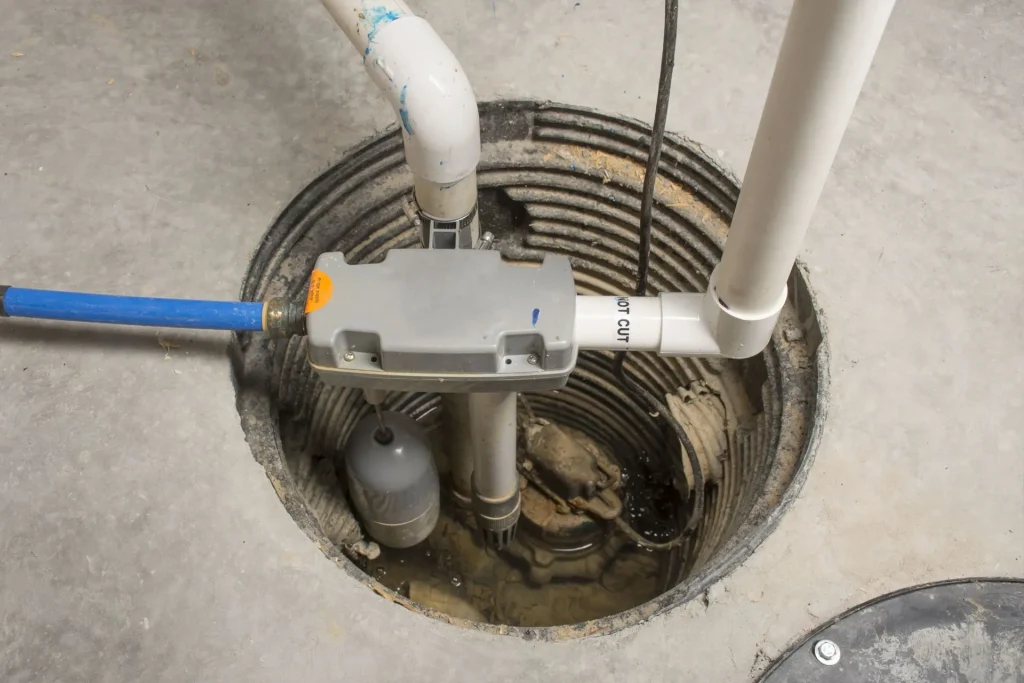
An interior perimeter drain with a sump pump can relieve hydrostatic pressure and collect seepage efficiently. In many basements, it is a sensible and durable solution. But it should be understood clearly. If walls remain damp, the renovation assembly must account for that. Finishing details, insulation type, vapor control strategy, and material selection become critical. You cannot install moisture-sensitive products right against a wall system that is still expected to transmit some water vapor.
This is where experience matters. A dry-looking basement is not necessarily a dry-performing basement. Concrete can release moisture even when the surface appears normal. Flooring adhesives can fail long before puddles appear. That is why professionals often test slab moisture or at least evaluate the risk based on building age, site conditions, and prior history before recommending finish materials.
Timing affects design decisions, not just repairs
When Basement Waterproofing is addressed early, it shapes the renovation in useful ways. You can choose materials and assemblies that make sense for the conditions rather than hoping standard above-grade details will work below grade.
For example, if a basement has a history of occasional water at the wall-floor joint, the layout may be adjusted to keep expensive millwork, electronics, or sleeping areas away from that perimeter until the issue is fully resolved. If the slab shows elevated moisture, you may choose tile, sealed concrete, or a raised subfloor system instead of a product that is prone to swelling or adhesive failure. If dehumidification will be essential year-round, mechanical planning can include a dedicated drain, proper equipment sizing, and service access from the start.
I have seen homeowners spend a surprising amount on luxury vinyl plank because it was marketed as “waterproof,” only to discover that the flooring itself survived while the underlayment, baseboards, and lower drywall did not. Waterproof is not the same as moisture-proof, and a product claim on a showroom sample does not replace a strategy for the room as a whole.
The seasonal trap
Timing matters in another sense too: when you inspect a basement can change what you find.
A basement that seems perfectly dry in late summer may behave very differently during spring thaw or after several days of heavy rain. Frozen ground, saturated soil, rapid snowmelt, and power outages all create conditions that can expose weaknesses not visible during a casual walk-through. If a renovation is being planned in winter, it is worth asking for a history over several seasons. Have there been damp boxes in storage corners? Has the dehumidifier run constantly in July? Has the sump pump ever cycled overnight during storms? Do neighbors with similar lots report seepage in wet years?
The best time to discover a moisture problem is before the renovation, not during the first extreme weather event after occupancy. That sounds simple, but many projects begin based on what the basement looks like on one dry day. Basements need a broader memory than that.
A finished basement raises the stakes for indoor air quality
People often think of waterproofing as a structural or maintenance concern. It is also an indoor air quality issue.
Basements are connected to the rest of the house more than many people realize. Air moves upward through stack effect, carrying odors and airborne contaminants with it. A damp lower level can influence the air on the main floor and even upstairs bedrooms. Once the basement is turned into occupied living space, that matters even more. Persistent humidity can feed mold growth on hidden surfaces, encourage dust mites, and make the room uncomfortable even when the temperature looks fine on a thermostat.
This is especially important in basements intended for sleeping, working, or long daily use. A guest room used a few weekends a year can hide problems longer than a home office occupied eight hours a day. Renovation changes not just the materials in the room but the expectations for comfort and health. Waterproofing before renovation is part of meeting those expectations honestly.
Budget pressure is real, but false economy is expensive
No one likes hearing that a foundational issue needs to be solved before the “fun” part of the project can begin. There is usually a moment in planning when the budget feels too tight and waterproofing becomes the item people are tempted to defer. That decision can be understandable, but it should be made with clear eyes.
If the basement shows signs of water or chronic dampness, skipping waterproofing rarely saves money in any durable sense. It shifts the cost into finishes, labor, delay, and future disruption. Even if major leakage never occurs, the renovation may need more conservative materials and detailing to survive the conditions. That means the moisture problem is still dictating the budget, just less transparently.
When funds are limited, the better approach is often to stage the project. Handle the drainage and waterproofing first. Observe performance through a wet season if necessary. Then renovate with confidence. This may feel slower, but it is usually more efficient than building twice.
When homeowners underestimate “minor” water events
One of the most common statements heard during basement planning is, “We only had water once.” That single event is easy to dismiss, especially if it happened during an extreme storm. But isolated incidents are not always isolated causes.
Water entry can reveal a threshold condition. Perhaps the grading is just barely adequate until one saturated week pushes it past failure. Perhaps the sump pump works most of the time but lacks battery backup and fails during outages, exactly when it is needed most. Perhaps a hairline crack leaks only under https://connerxjdd052.unionquill.com/posts/basement-waterproofing-essentials-for-first-time-homeowners unusual hydrostatic pressure. Renovation tends to reduce your margin for error. What used to be a mop-and-fan inconvenience becomes a flooring claim, a drywall replacement, or a lost rental month.
A useful way to think about it is resilience. An unfinished basement may tolerate the occasional stress event without serious consequence. A finished basement needs a higher level of resilience because the assets at risk are greater.
How to approach the decision before you sign the renovation contract
Before design drawings are finalized and before materials are ordered, it helps to pause and answer a few practical questions with your contractor or waterproofing specialist. What is the known history of water entry or dampness? What is the moisture profile of the slab and walls? Are outside drainage conditions helping or hurting? If an interior system is recommended, what assumptions does that create for insulation and finishes? If no waterproofing is proposed, what evidence supports that confidence?
This is also the stage to discuss risk tolerance. Not every homeowner wants the same level of intervention. Some are comfortable with a managed interior drainage system and moisture-tolerant finishes. Others want full exterior excavation because they never want to think about the issue again. Neither position is inherently wrong. The mistake is making that choice after the basement has already been finished.
The most productive pre-renovation conversations usually involve both the renovation contractor and the waterproofing expert. Too often those scopes are separated, and the basement ends up with excellent finishing details built on incomplete assumptions about moisture. Coordination matters. The best project is the one where waterproofing, insulation, framing, mechanicals, and finishes all work from the same understanding of the basement’s behavior.
A short checklist for smart timing
If you are planning a basement renovation, these are the moments when waterproofing deserves attention first:
- before framing and insulation plans are finalized
- before flooring and wall finish materials are selected
- before electrical and HVAC layouts are locked in
- before built-ins or bathrooms are placed along exterior foundation walls
- before you assume a dry-looking basement is a dry-performing basement
That timing gives you options. Once the room is finished, every moisture decision becomes more expensive.
The difference between a finished basement and a durable finished basement
There is no shortage of basements that look great on completion day. The real measure is how they perform three, five, or ten years later after storms, humidity swings, and seasonal ground movement have done their work.
A durable basement renovation respects the fact that below-grade spaces are different. They are surrounded by soil, affected by groundwater, exposed to cool surfaces, and more vulnerable to hidden moisture than rooms above grade. Basement Waterproofing is not a luxury add-on to that reality. It is part of building appropriately for it.
When waterproofing is handled first, the renovation can proceed with fewer compromises. Materials are chosen for the actual conditions, not wishful ones. Mechanical systems support comfort instead of chasing chronic dampness. Finishes last longer. Occupants feel the difference, even if they never see the infrastructure that makes it possible.
That is why timing matters so much. Waterproofing is not the glamorous part of a basement renovation, but it is often the part that determines whether the finished space remains an asset or becomes a recurring problem hidden behind fresh paint and new trim. A basement can be beautiful, but before anything else, it needs to be reliably dry.
ARD Waterproofing
98 Smull Ave, West Caldwell, NJ 07006, United States
+1 917-691-8411
FAQ About Basement Waterproofing
Can you 100% Waterproof a Basement in West Caldwell?
A properly designed system can substantially reduce basement water intrusion, but no method can promise protection against every flood, equipment failure, or future change in site conditions. The first step is identifying whether moisture comes from surface runoff, groundwater, plumbing, or condensation. Solutions may include grading and gutter improvements, drainage, foundation repairs, and a sump system. Review the specific coverage and exclusions of any written warranty.
How much does it cost to professionally waterproof a basement in NJ?
There is no single price that fits every basement. Cost depends on the cause of the leak, the area needing work, access, excavation requirements, drainage design, sump equipment, and restoration of disturbed finishes or landscaping. Request an on-site assessment and an itemized written estimate that explains the scope, exclusions, and maintenance requirements before comparing proposals.
How long does foundation waterproofing last in West Caldwell, NJ?
Service life varies with the waterproofing materials, installation quality, soil and water conditions, and maintenance. Drainage components and pumps may require servicing or replacement even when other parts of the system remain functional. Keep gutters, drainage outlets, and sump equipment maintained, and have recurring leaks or changes in foundation condition assessed. Ask for product-specific expectations and written warranty terms rather than relying on one lifespan for the entire system.
❧