September 24, 2026
Basement Waterproofing NJ for Better Basement Comfort and Usability
By @juliuswcce586
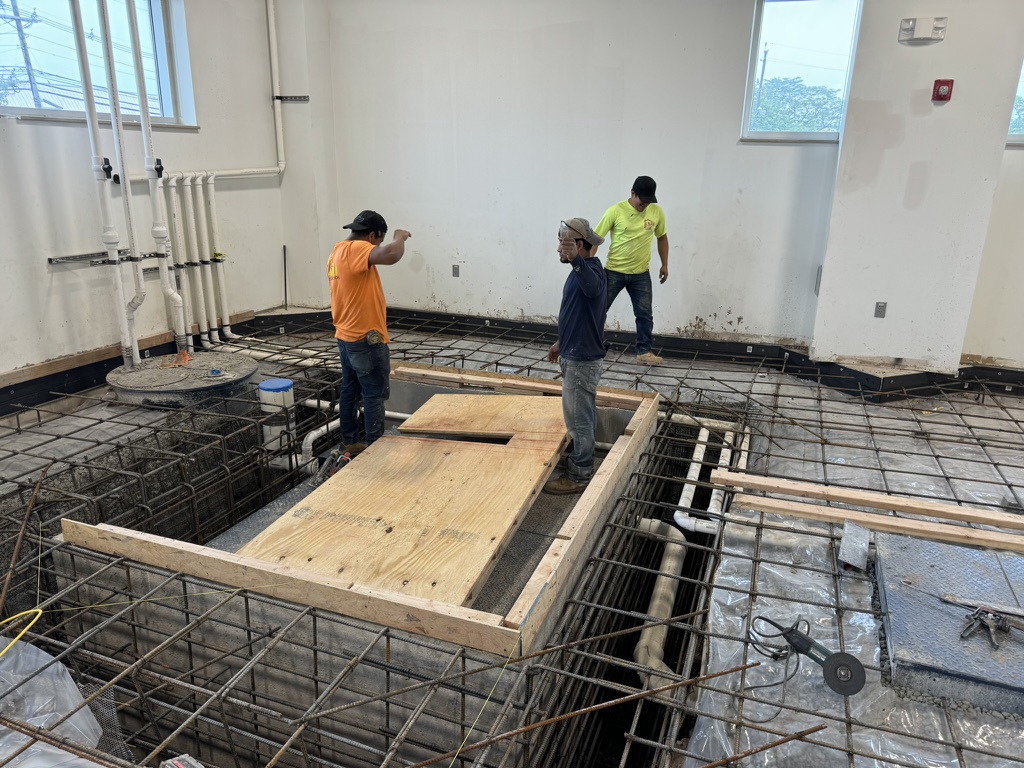
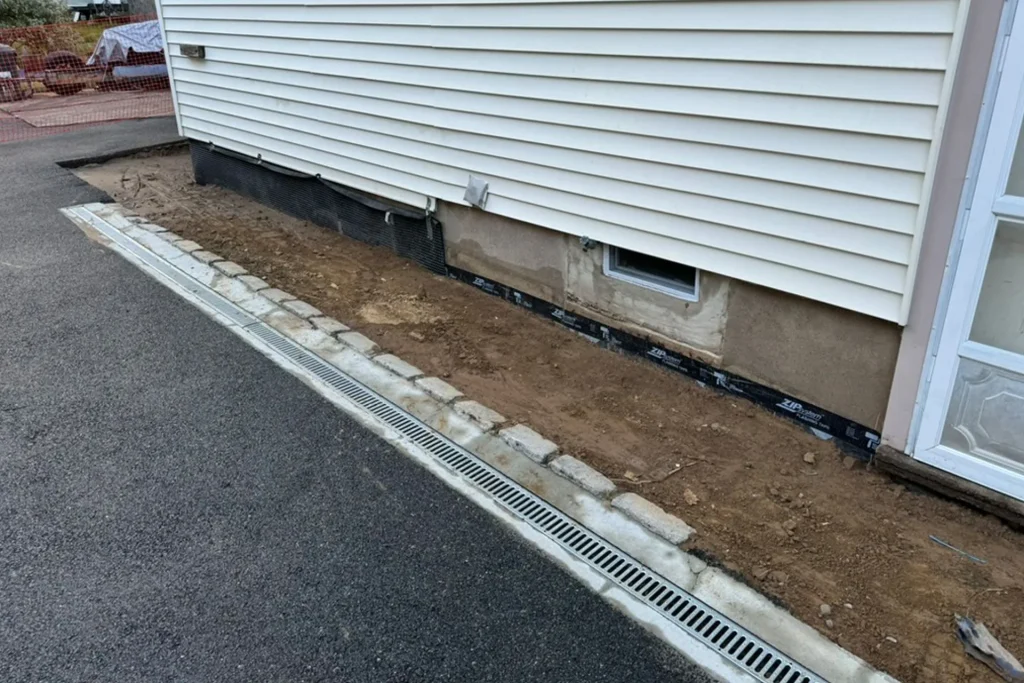
A basement changes the way a home functions. When it is dry, temperate, and dependable, it becomes flexible square footage that can carry real daily value. It might serve as a family room, a home gym, a quiet office, a laundry area that does not feel damp and unpleasant, or simply a clean storage level where boxes and furniture stay intact. When moisture gets in, that same space becomes unpredictable. Floors feel clammy, walls smell musty, paint flakes, and the whole level starts to feel like a place people hurry through rather than use.
That gap between usable and unusable space is why Basement Waterproofing NJ matters so much. In New Jersey, basements deal with a demanding mix of conditions. Heavy rain, snowmelt, older housing stock, clay-rich soils in some areas, high water tables in others, and a wide range of foundation types all create pressure on below-grade walls and floors. Many homeowners first notice the problem in small ways. The dehumidifier runs nonstop. Cardboard gets soft. A corner darkens after every storm. The basement smells stale even when it looks dry. Those details are not cosmetic quirks. They are early warnings that water is finding a path in, or that moisture is collecting where it should not.
A good waterproofing plan does more than block leaks. It improves comfort, protects finishes, preserves indoor air quality, and makes the lower level feel like part of the house instead of a compromise. That is the real goal, especially for homeowners who want their basement to support daily life.
Why New Jersey basements develop moisture problems so often
Basements rarely get wet for just one reason. Most moisture problems come from a combination of outside water pressure, drainage failures, humidity, and construction details that made sense decades ago but no longer perform well under current conditions.
Across New Jersey, one house may sit on land that holds water after storms, while another may be built on a slope that channels runoff straight toward the foundation. Gutters may discharge too close to the house. Window wells may fill and overflow. A driveway pitched toward the garage or basement wall can make matters worse. In older neighborhoods, homes often have foundations with age-related cracks, mortar deterioration, or settlement that opens pathways for seepage. Even newer homes are not immune. A newer basement can still struggle if grading is poor, if footing drains clog, or if insulation and air sealing create condensation issues.
One of the more confusing parts for homeowners is that not every wet basement looks dramatically wet. Sometimes there is no standing water, just that persistent cool, sticky feeling and a smell that never seems to leave. I have seen finished basements where the carpet looked fine from above, but the tack strips were damp and mold had started behind the baseboards. I have also seen unfinished basements with no obvious leaks, yet tools rusted quickly and holiday decorations picked up a sour odor after one season in storage. Those spaces were not dry, even if no puddles were visible.
Comfort starts with dryness, not décor
Homeowners often think about comfort in terms of paint colors, flooring, furniture, and lighting. Those things matter, but they come later. Basement comfort begins with moisture control. Until the space stays dry through changing seasons, everything else is temporary.
A damp basement almost always feels colder than it should. Moisture in the air makes the space feel raw and uninviting, even when the thermostat reads a reasonable temperature. Materials also react differently in a damp environment. Carpet pads hold moisture. Laminate edges swell. Wood trim expands and contracts more than expected. Metal surfaces sweat when humid air meets cool basement conditions. Even upholstered furniture can absorb odor over time.
Once water intrusion and excess humidity are handled properly, the basement becomes easier to heat, easier to finish, and much more pleasant to spend time in. People often notice the difference quickly. The room smells cleaner. The air no longer feels heavy. Stored items stop picking up that unmistakable basement odor. It is not glamorous work, but waterproofing is what allows a basement to act like conditioned living space instead of semi-outdoor space below ground.
The difference between waterproofing and moisture management
The term waterproofing gets used broadly, but in practice, there are two connected goals. One is keeping bulk water out. The other is managing ambient moisture and humidity so the space remains healthy and comfortable.
Bulk water problems are the dramatic ones. Water enters through wall cracks, cove joints where the floor meets the wall, pipe penetrations, window wells, or floor drains that back up. These are the issues that produce puddles, visible staining, or seepage after storms.
Moisture management is quieter. It includes controlling relative humidity, reducing condensation, and making sure the basement can dry appropriately without staying damp. A home can have no active leak and still have a basement that feels unpleasant because moist air is trapped, insulation is incorrect for the conditions, or the space is drawing humid air from outside.
The best Basement Waterproofing NJ projects account for both. If a contractor talks only about one crack repair but ignores drainage, grading, humidity, or the way the basement will actually be used, the fix may be too narrow.
Exterior water control does more than most people realize
The most effective waterproofing often begins outside, because water that never reaches the foundation does not need to be managed indoors later. That sounds obvious, but it is frequently overlooked because homeowners focus on the spot where water appears, not the route it took to get there.
Roof runoff is a major factor. A single downspout that empties near the foundation can dump a surprising amount of water into the soil during a storm. If the grade next to the house is flat or sloped inward, that water lingers and builds hydrostatic pressure against basement walls. Over time, even small defects in concrete or block can become active entry points.
Landscaping can help or hurt. Dense plantings near the foundation sometimes hide poor drainage. Mulch beds that build up above the siding or trap water next to the wall do not do a basement any favors. Hardscape matters too. Patios, walkways, and driveways that settled over time can send water straight to the structure. In many cases, improving exterior drainage reduces basement moisture more effectively than people expect.
There is also a practical cost issue here. Exterior corrections such as extending downspouts, restoring grade, or reshaping runoff patterns are often less invasive than repairing damaged finishes after repeated interior moisture problems. Homeowners understandably want the fastest fix, but the cheapest-looking fix can become expensive if the water source is still pushing against the house every time it rains.
Interior systems have an important role, especially in finished basements
Exterior water control is essential, but it is not always enough, and in some cases it is not realistic to excavate or rebuild drainage conditions extensively. That is where interior waterproofing systems come in. When designed properly, they provide a controlled path for water that would otherwise enter the living area.
An interior perimeter drainage system collects water at the base of the foundation and directs it to a sump pump. This does not make the outside soil dry, but it relieves pressure by giving water a managed route. In https://860084110389.gumroad.com/p/basement-waterproofing-nj-for-historic-homes-and-aging-foundations a basement that has recurring seepage at the wall-floor joint, this approach can be very effective. The key is execution. A good system is sized appropriately, installed cleanly, and paired with a reliable sump setup, including battery backup where outages are a concern.
This is especially relevant in New Jersey, where storms can be intense and power failures are not rare during severe weather. A sump pump without backup can leave a homeowner exposed at exactly the wrong time. I have seen basements with decent drainage channels and a failed pump turn into a cleanup project overnight after a summer storm knocked out electricity for several hours.
Interior vapor barriers on foundation walls can also play a role in controlling dampness and improving the feel of the space, particularly in unfinished utility areas. They are not a cure-all, and they should not be treated as a substitute for drainage, but in the right assembly they can help direct moisture and reduce the musty atmosphere many basements develop.
Signs the basement needs more than a dehumidifier
A dehumidifier is useful, and most basements benefit from one, but it should not be asked to solve structural water problems. If the machine runs constantly and the space still feels damp, the issue is usually bigger than airborne humidity.
Here are some of the more reliable warning signs:
- white powdery residue on walls, often called efflorescence
- peeling paint or bubbling wall coatings near the floor
- recurring damp spots after storms or during spring thaw
- musty odors that return quickly after cleaning
- rusting metal, warped trim, or mold growth on stored items
None of those signs prove a single cause by themselves. Together, though, they tell a consistent story. Water is entering, lingering, or evaporating in ways that are affecting the materials in the basement. That is when a broader assessment makes sense.
Finished basements demand better decisions up front
A basement used only for utilities and storage can tolerate a certain amount of seasonal imperfection, though even then it should still be managed properly. A finished basement raises the stakes. Once drywall, flooring, insulation, furniture, electronics, and personal belongings enter the picture, even small moisture failures become costly.
This is where I often see homeowners make understandable but expensive choices. They finish a basement because it looks mostly dry. Maybe it has only had one or two minor incidents in several years. They add carpet, standard drywall, wood trim, and maybe a media setup. Then a wet season reveals the weak points. A little seepage under a finished wall can lead to soaked insulation, odor trapped behind drywall, and a repair that costs far more than the original waterproofing would have.
Usability depends on resilience. If the basement is going to function as living space, the waterproofing plan and finish materials should reflect that. In many cases, this means using products that tolerate occasional humidity fluctuations better, allowing inspection access where practical, and not building tightly over walls that have unresolved moisture history.
It also means being honest about the purpose of the room. A playroom and TV area can be designed differently than a bedroom, and a home gym has different ventilation needs than a storage room. Waterproofing is not separate from comfort planning. It is the base layer of it.
Humidity control affects health, smell, and everyday use
People notice leaks. They often underestimate humidity. Yet humidity is what makes a basement feel stale even when no obvious water is present. It affects odor, mold potential, comfort, and how often the space actually gets used.
In many basements, the target is not bone-dry air. That can be unrealistic or even uncomfortable. The goal is balanced control, often somewhere around the range that limits mold growth while keeping the room comfortable for occupants and stable for materials. Exact numbers can vary with season and basement conditions, but a chronically damp basement is almost always operating outside that comfortable zone.
A proper dehumidification strategy may include a dedicated dehumidifier with drainage, HVAC adjustments, air sealing, and insulation details that reduce condensation on cool surfaces. Sometimes the best improvement is surprisingly basic. Sealing obvious air leaks and addressing cool, damp corners can change how the whole level feels. Other times, especially in larger finished basements, a standalone unit is not enough and the mechanical setup needs a more deliberate approach.
When humidity comes under control, the basement stops announcing itself the moment you open the door. That matters more than many homeowners expect. A comfortable basement gets used spontaneously. Kids go down there without complaint. Guests do not notice an odor. Laundry dries predictably. Storage feels less risky. The whole house gains a level of function.
Choosing the right waterproofing response
Not every basement needs a major system. Some need careful maintenance and targeted repairs. Others need a comprehensive approach because multiple failures are working together. The challenge is diagnosing the actual pathways water is taking, rather than chasing symptoms one by one.
A sensible evaluation usually looks at the structure, the drainage outside, visible crack patterns, sump performance if one exists, signs of past water marks, humidity levels, and how the homeowner wants to use the space over the next several years. A basement intended for simple storage can be treated differently than one being converted into conditioned living area.
For homeowners trying to sort out priorities, this checklist is a good starting point:
- watch the basement during or right after a heavy rain, not just on dry days
- check where every downspout discharges
- note whether dampness appears on walls, at the floor edge, or in isolated spots
- pay attention to odor changes between seasons
- think ahead about whether the basement will stay unfinished or become living space
That last point matters. Waterproofing decisions should serve the long game. If there is even a decent chance the basement will be finished later, it is usually wise to address moisture issues more thoroughly now rather than patching around them.
What homeowners often get wrong
One common mistake is treating visible cracks as the whole problem. Crack repair can be important, but a sealed crack in a foundation wall does not solve poor exterior drainage or pressure building around the structure. Another mistake is relying on waterproof paint as if it were a real moisture strategy. Surface coatings can have a place in certain conditions, but they are not a substitute for drainage management.
A third mistake is assuming that if the previous owner finished the basement, it must have been dry enough. Finished basements can hide a lot. Fresh paint, paneling, shelving, and flooring can cover stains and trap odors. A room can look polished while moisture slowly works behind the scenes. I have walked through basements that appeared pristine until a section of stored rug was lifted and the slab underneath was visibly damp.
The last major error is waiting too long because the issue seems intermittent. Water problems often start small and stay small for a while. Then one unusually wet season, one clogged downspout, or one failed pump reveals how vulnerable the space really is.
Basement waterproofing as a value decision, not just a repair
Homeowners sometimes look at waterproofing as a grudging maintenance expense. It is fair to see it that way at first, because the work often happens behind walls, under slabs, or outside where it is not particularly visible. But the payoff is bigger than leak prevention.
A dry basement protects what is already in the home. It supports resale by reducing red flags during inspections and showings. It widens the range of uses for the lower level. It also lowers the chance that money spent on finishing work, storage systems, flooring, or furnishings will be lost to moisture later.
For families trying to gain space without moving, this can be significant. In many New Jersey homes, the basement is the largest underused area in the house. Making it consistently dry and comfortable often costs far less than an addition, while still creating meaningful daily utility.
There is also a quality-of-life factor that does not show neatly on an invoice. A house feels different when the basement is not a problem zone. You stop checking it anxiously after storms. You stop running downstairs to smell for dampness. You stop worrying about what is happening behind finished walls or under stored boxes. That peace of mind is one of the less advertised benefits of proper Basement Waterproofing NJ, but for many homeowners it is the part they appreciate most after the work is done.
What lasting results usually look like
The best waterproofing outcomes are often quiet. No drama, no recurring cleanup, no mystery odor. The basement maintains a stable feel across wet and dry seasons. The sump, if there is one, operates as part of a system rather than as an emergency surprise. Stored belongings stay dry. Finished areas feel like true interior rooms. Humidity remains manageable without constant intervention.
That kind of result usually comes from matching the solution to the actual conditions of the house. It is not about choosing the biggest package or the fastest patch. It is about understanding where the water comes from, how the foundation and site respond to it, and what level of performance the homeowner expects from the space.
For some New Jersey homes, that means exterior drainage corrections and minor sealing. For others, it means perimeter drainage, sump protection, vapor management, and a smarter finishing strategy. Either way, the point is the same. A basement should support the home, not undermine it. When waterproofing is done thoughtfully, comfort and usability follow naturally.
ARD Waterproofing
Address: 98 Smull Ave, West Caldwell, NJ 07006
Phone number: +12016465936
FAQ About Basement Waterproofing NJ
What is the best waterproofing method for a basement?
The best overall approach to waterproofing a basement is a combined exterior and interior system that stops water at the foundation wall and safely manages any moisture that gets through.
What is the average cost to waterproof a basement?
The average cost to waterproof a basement ranges from $2,500 to $15,000, with most homeowners paying around $5,200 for a complete project.
Can a basement be waterproofed from the inside?
Yes, a basement can be waterproofed from the inside, and it is often the most affordable and least disruptive method.
❧